Peregrine 101: How real-time data supports patrol officers
Author
Staff
Peregrine
Published
April 11, 2023
Last Updated
August 27, 2026
Author
Staff
Peregrine
Published
April 11, 2023
Last Updated
August 27, 2026


KEY IDEAS:
- Patrol officers often have the most direct contact with community members, but the least access to real-time intelligence in the field.
- Without timely, unified information, officers may lack the context needed to make accurate and informed decisions.
- Mobile data integration connects information across agency systems and delivers actionable insights when officers need them most.
- Real-time field data improves situational awareness, supports more precise policing, and helps streamline investigations.
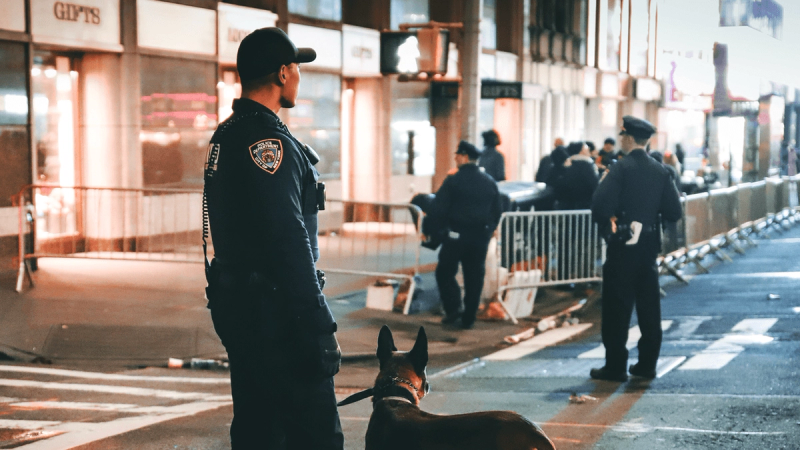
Patrol officers are the direct service providers in communities, but they’re frequently ignored by technology providers. Most field technology is wearable hardware — body-worn cameras, for example.
Most law enforcement software is designed to provide real-time information to personnel at HQ, but it isn’t built for the field or the daily realities patrol officers face. However, improving field operations with access to real-time information enhances the entire department’s operations and improves community relationships.
Agencies need mobile-friendly data integration solutions like Peregrine to bridge the gap between HQ intelligence and in-the-field actions. Peregrine is a software platform that powers operations and near real-time decision-making for the U.S. public safety community. By connecting agencies’ data and delivering digestible, mobile insights, Peregrine provides patrol officers with timely, contextualized information that improves their situational awareness.
🔑 KEY TAKEAWAY: Peregrine supports field operations by giving patrol officers secure, mobile access to integrated agency data. With timely context from connected systems, officers can improve situational awareness, make informed decisions, and share relevant information with investigators.
Because patrol officers most regularly engage with people in their communities, they are in many ways the backbone of the department. Patrol officers need access to information — in a way that makes sense to them — to help them make better decisions in the moments that matter most.
That’s critical for agencies looking to reduce violent crime. Accurate data on violent crimes and involved persons can lead to better, holistic crime prevention efforts, but only if those on the ground — patrol officers — can access the same depth and accuracy of information in the field as the command staff.
Many citizens that live and work in areas of high violent crime are not involved in criminal activity; they’re often victims of violent crime. Absent specific real-time data on the drivers of crime, violence prevention efforts can be geared toward an entire community, which can exacerbate violence and erode community trust in public safety agencies.
CASE STUDY → How Menifee PD Improves Officer Safety With Real-Time, Mobile Data
At a high level, better approaches to policing — and how patrol officers work — can materially improve a department’s relationship with the community it serves. Data integration solutions help agencies allocate resources effectively, increase real-time awareness, and deliver critical situational awareness to officers in the field.
From responding to crimes and homeless outreach or community engagement, Peregrine enables patrol officers to know with certainty what approach works best while equipping them with that information in real time.
Imagine officers are called to a scene, and they know in advance that the subject has had prior behavioral health incidents. They will be better able to deploy specific approaches that can effectively deescalate the situation. The same is true of a potentially dangerous encounter — knowing in advance if a suspect has been involved in violent crimes can help them to formulate an effective approach and potentially save lives.
Improving data access for patrol officers has impacts beyond the field, too. The information patrol officers collect, verify, and document in the field can also become critical context for investigators working to identify suspects, connect related incidents, and close cases faster.
💡 HOW REAL-TIME DATA HELPS PATROL OFFICERS MAKE BETTER DECISIONS:
- Improves situational awareness in the field
- Adds context to support deescalation
- Surfaces prior incidents that may affect officer safety
- Accelerates lead identification and case connections
Improved access to real-time data helps departments solve crimes more quickly. While patrol officers’ primary mission is response, the work that they do immediately following an incident — and how that information is shared with detectives — can have a material impact on if and how quickly an open case is closed.
With Peregrine, officers in the field can access pertinent systems from their mobile device, such as:
READ MORE → How to Use Data Integration and Analytics Software for Smarter Gun Crime Investigations
This can allow them to synthesize information immediately following an incident more holistically, which can then be sent to investigators as needed. And because Peregrine can simply ingest handwritten notes, detectives will have all the context responding officers do.
With comprehensive data in hand, detectives can solve crimes and close cases more quickly — but that starts with equipping patrol officers with all the information they need at their fingertips, when they need it.
💡 HOW INTEGRATED FIELD DATA HELPS AGENCIES SOLVE CRIMES FASTER:
- Gives officers mobile access to relevant records, video, and investigative context
- Helps patrol synthesize information immediately after an incident
- Preserves field observations, notes, and context for detectives
- Supports faster lead development and case closure
Advanced technologies can no longer be reserved for people behind a desk. Sworn officers who are in the field deserve the same opportunities to make data-driven decisions to keep themselves and their communities safe.
And with Peregrine, they will.
Currently serving as Senior Law Enforcement Advisor, Captain Lenny Nerbetski (ret.) has approximately 29 years sworn law enforcement experience with the New Jersey State Police and the Albuquerque Police Department, primarily in investigations, intelligence and analysis. During his law enforcement career, Captain Nerbetski served for several years on the FBI Newark Joint Terrorism Task Force, as the Executive Officer of the New Jersey Regional Operations Intelligence Center and Commander of the Albuquerque Police Department Real Time Crime Center.
Mobile data integration solutions give officers secure access to integrated information from multiple agency systems through a field-ready interface. For patrol officers, this can include records, video feeds, alerts, arrest and warrant information, and other operational context that helps them make more informed decisions while responding to calls.
For media requests,
contact media@peregrine.io
 Your Privacy Choices